

Whoa, this surprised me when I first tried it. I was installing a Solana wallet extension last week on Chrome. My instinct said to pause and inspect permissions before proceeding. Initially I thought any browser wallet would be much the same, though actually differences in UI copy, permission requests, and network options made me rethink which one I’d trust with keys. I’ll be honest, that part bugs me when I see sloppy wording or overly broad permissions that ask for every possible capability.
Seriously? That was my first reaction when a friend DM’d a link to a wallet claiming to be Phantom. Phantom, though, has a clear onboarding flow and sensible defaults that make it comfortable for newcomers and for power users like me. Check the extension ID, read reviews, and confirm the publisher before clicking add. Something felt off about an impostor extension a friend forwarded me, so I compared permissions and saw one requested access I never would approve. Hmm…
Okay, so check this out—Phantom’s UI makes network switching obvious, which is a small win for safety. It stores keys locally, encrypted, and uses a seed phrase backup flow that most wallets follow. Don’t be lazy here. Exporting the seed phrase to a plain file is a terrible idea, and my advice is simple: write it down on paper and keep it offline. I’m biased, but that tangible backup has saved me when a laptop bricked and cloud sync failed.
Quick guide to downloading Phantom
Really? Yes, because browser extensions can be tricky, and trusting the wrong one costs you real money. When you download Phantom, verify it’s the official extension and not a copycat by using this phantom wallet download extension. I usually go to the official site or the Chrome Web Store, yet phishing pages can mimic both, so cross-check the publisher and the extension ID directly. Somethin’ as small as a different icon shade made me pause once.
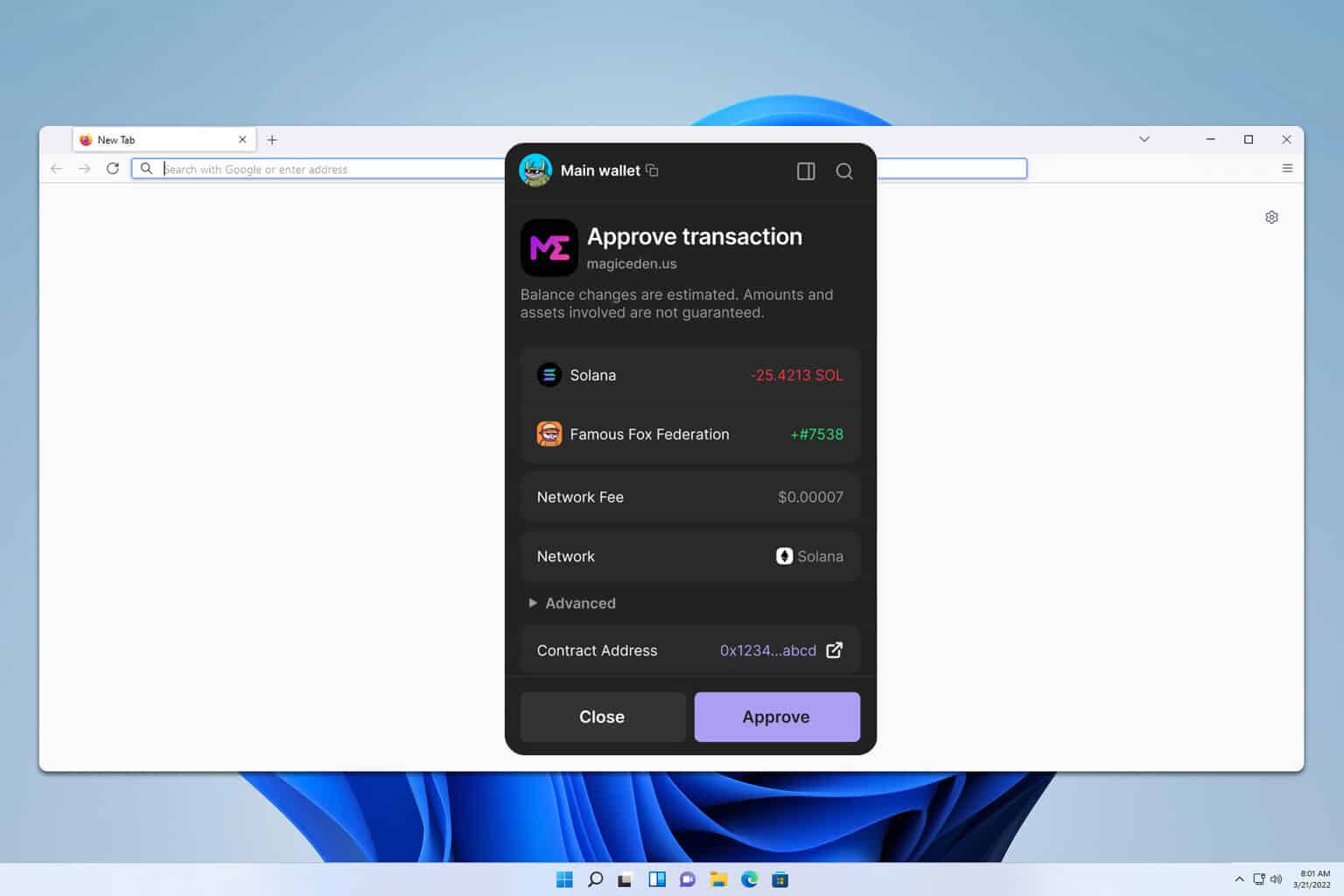
My instinct said to test with tiny amounts first. Send a dollar, not a thousand. If that transaction clears and the address handling behaves as expected, then you can increase amounts. For Phantom, I like the keyboard shortcuts and the clear transaction approval sheet that shows fees and program access. This is practical stuff I tell friends all the time.
Here’s the thing. I tracked a bug where Phantom’s extension would show an outdated token balance until a manual refresh, which surprised me since UI polish matters. On one hand the wallet is fast and integrates with many dApps, though actually you should still review dApp permissions carefully before approving interactions. I’m not 100% sure how their future features will evolve, but I’m optimistic about improvements and cautious about any auto-approval settings. Okay, quick recap: verify the extension, backup your seed, test with small funds, and never export keys to cloud storage.
FAQ
How do I safely download Phantom?
Go to a trusted source, check the publisher and extension ID, read recent user reviews, and install the extension only from official channels; once installed, set a strong password, write your seed phrase on paper, and test with a very small amount before moving larger funds.